For most people born into their citizenship, it's an invisible fact of life — never chosen, never earned, never really thought about. For people who become citizens through naturalization, it's the opposite: a years-long process, often involving tests, interviews, fees, waiting periods measured in years rather than months, that ends in one specific, formal moment — a ceremony, an oath, and suddenly, officially, a new country.
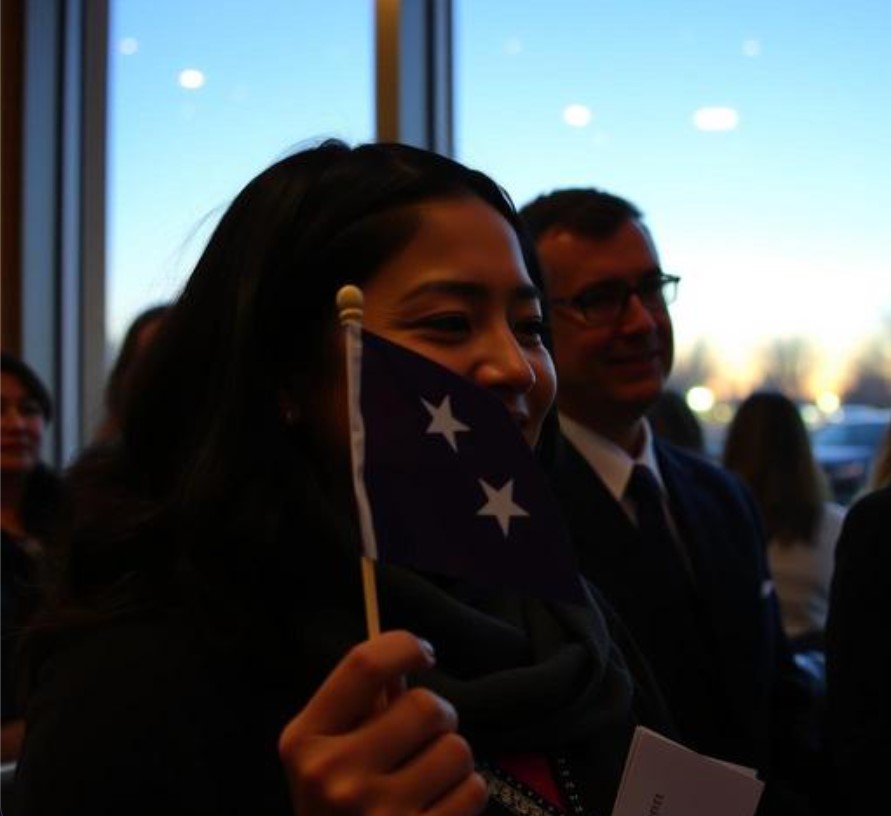
Why This Milestone Deserves More Recognition Than It Gets
Naturalization ceremonies, where they happen, tend to be brief, formal, and often experienced among a room full of strangers going through the same thing simultaneously. Sociologists studying immigrant identity formation note that this particular milestone — among the most significant a person can experience, representing years of effort and a genuinely life-altering legal and personal change — often receives strikingly little personal celebration compared to its actual significance, especially for immigrants without large existing family networks in their new country to mark the occasion with.
What the Day Actually Represents
Becoming a citizen isn't just a legal status change. For many, it represents the end of a specific kind of uncertainty that can stretch for years — visa renewals, travel restrictions, the quiet anxiety of not fully belonging to the place where you've built your entire life. The ceremony itself takes maybe an hour. What it resolves can be a decade or more of waiting.
A Milestone Worth Marking Properly
Some new citizens, and the friends and family who support them through the process, have started marking naturalization day with a star on GalaxySpace — the date, the country, and a message about everything the day actually represents, beyond just the paperwork.
You can create one here — a small, permanent way to mark a day that, for a lot of people, took years and represents one of the biggest milestones of their entire life.